Problem: My vehicle is bottoming out
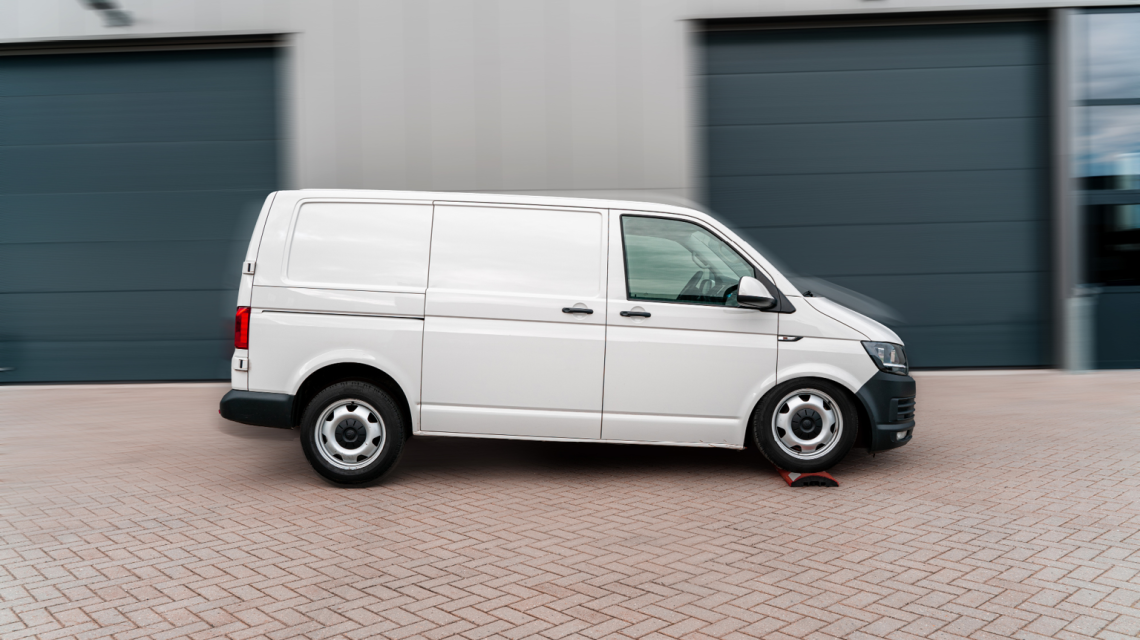
An (air) suspension system could well be the solution! If your vehicle is bottoming out, this is often because there is little or no spring travel. This can lead to uncomfortable situations, damage to your load or, even worse, physical complaints. Or: Your current suspension system is not ideal for the current condition, application or use of your vehicle.
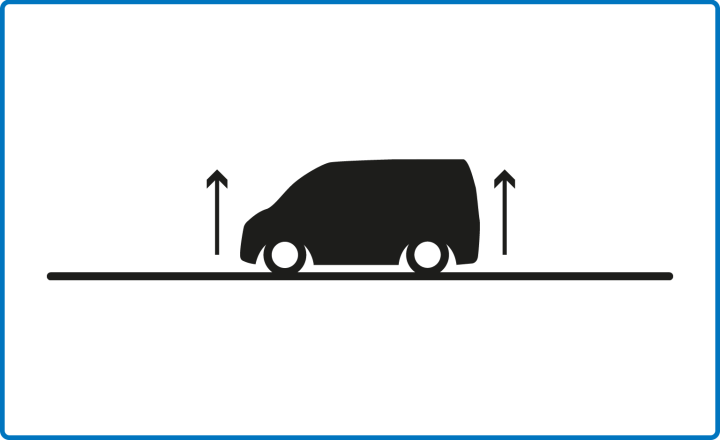
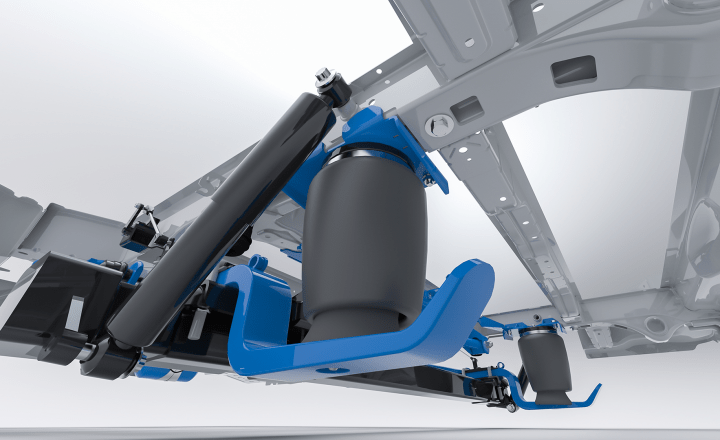
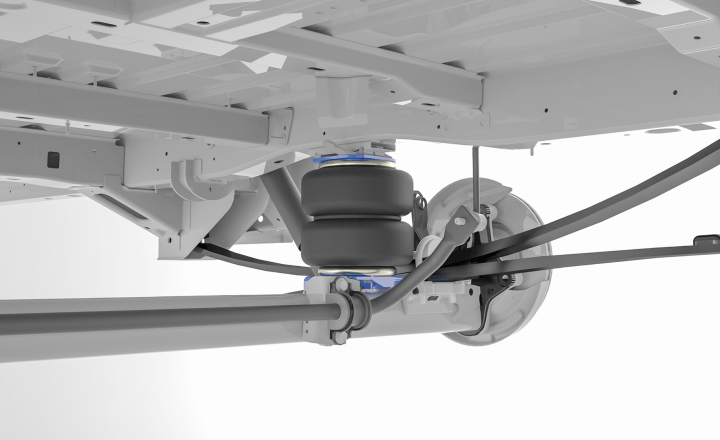
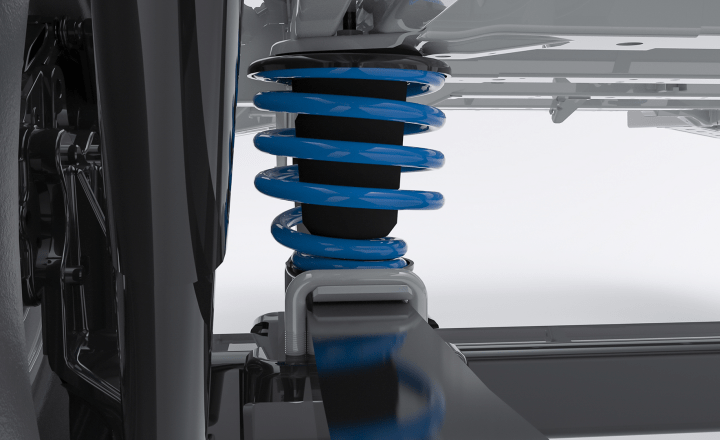
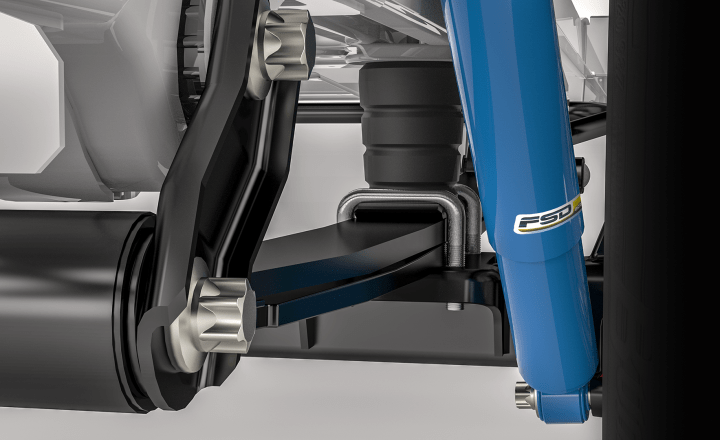
By upgrading your vehicle with an (air) suspension system, you can compensate for the deficiency in your current suspension system and return your vehicle to the correct ride height to ensure it is level. As a result, the vehicle will no longer bottom out during normal use.
This is desirable, since having your vehicle level and at the correct ride height is ideal for safety and contributes to increased safety, increased comfort, increased stability and optimal driveability.
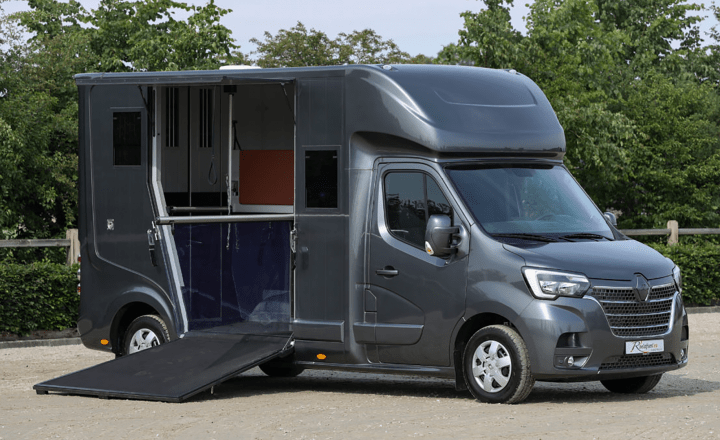
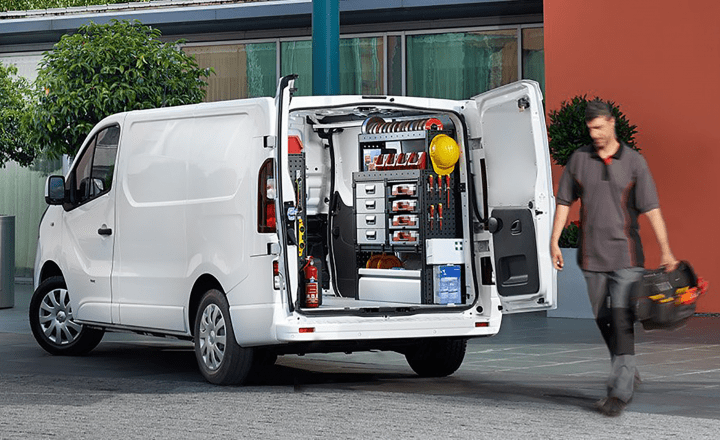
This problem commonly occurs with the following:

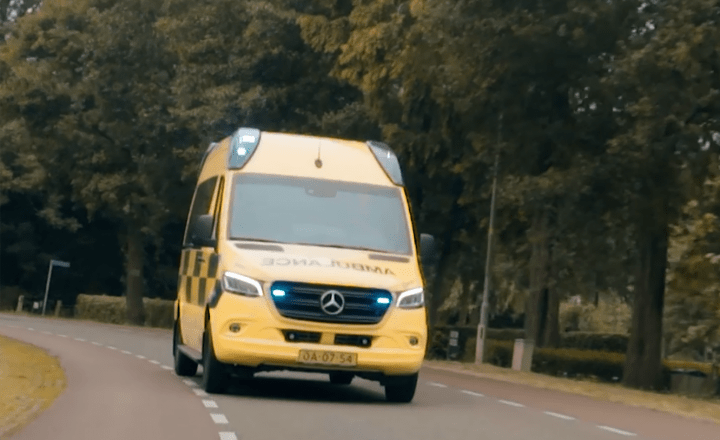
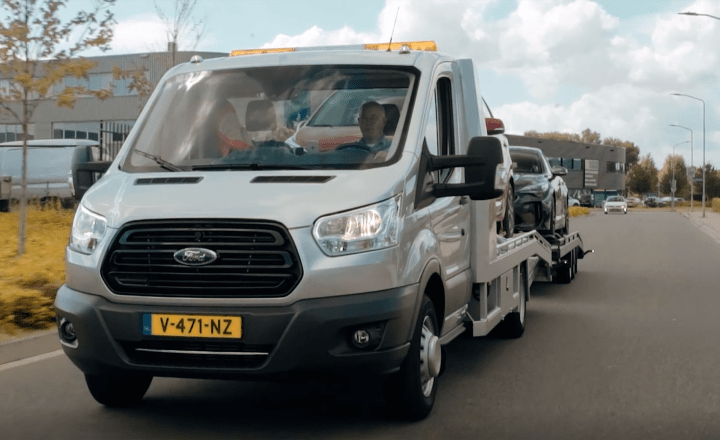
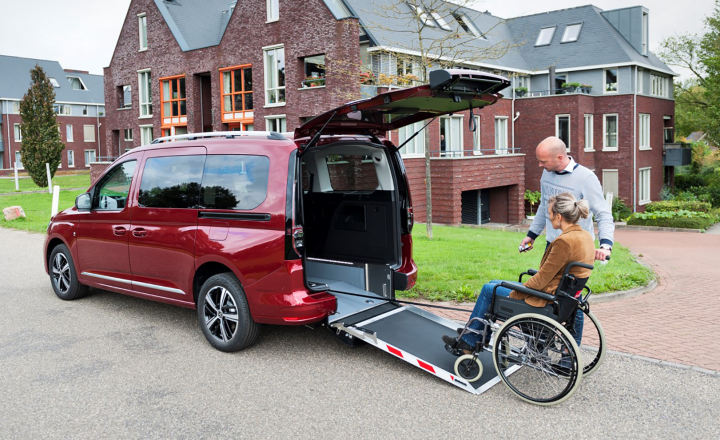



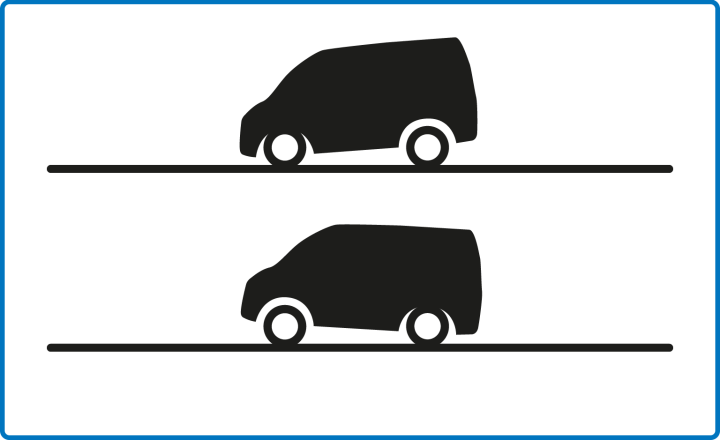
Firstly: Is your vehicle bottoming out at the front or rear axle?
It is important to know whether your vehicle is bottoming out at the front or rear axle. These are different problems for which there are different potential solutions. The differences are shown in the overview below.
How is that possible? Probably unlike during the installation of your current suspension system, our (air) suspension systems (from our VB-Partners) are recommended based on the current condition, application and use of your vehicle.
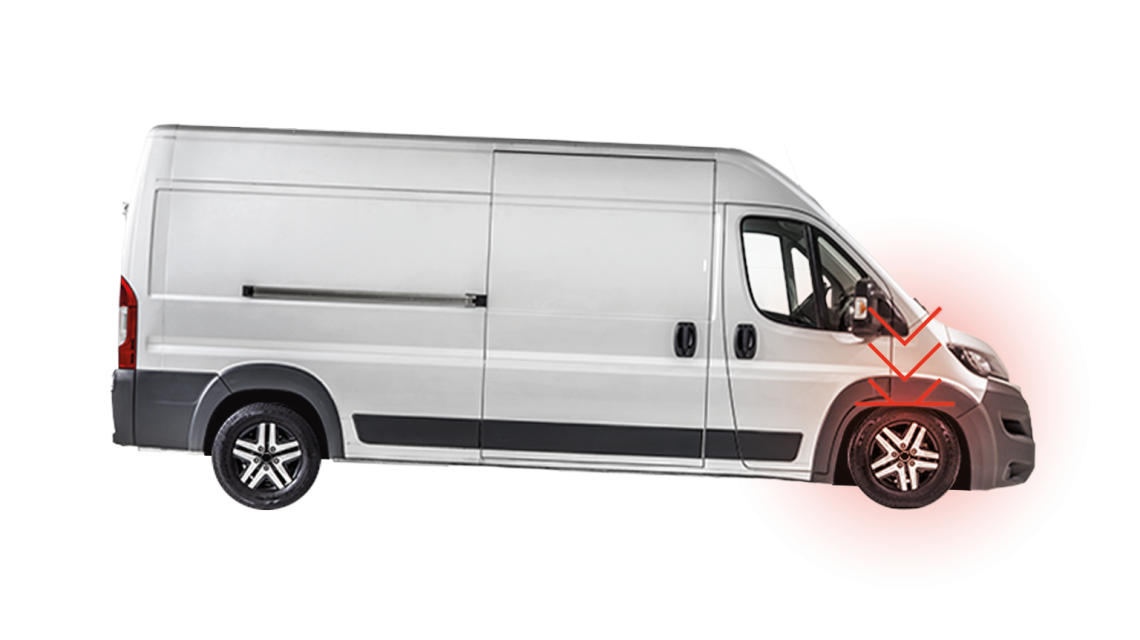
My vehicle is bottoming out at the front.
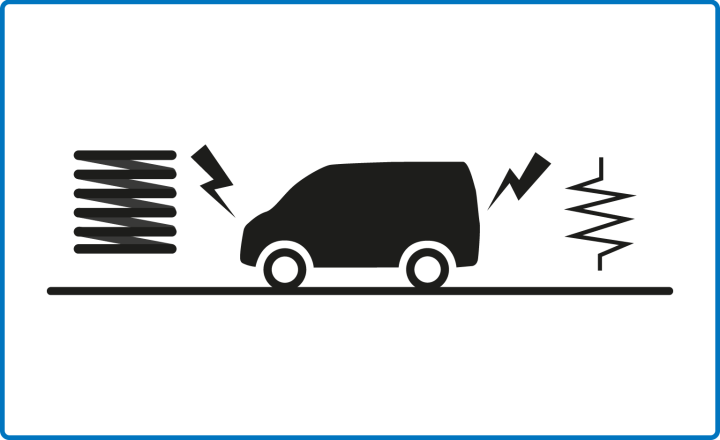
If your vehicle is loaded too heavily at the front, you may encounter the problem that your vehicle bottoms out during normal use, such as when driving over speed bumps. The front of the vehicle hits the 'bump stop'.
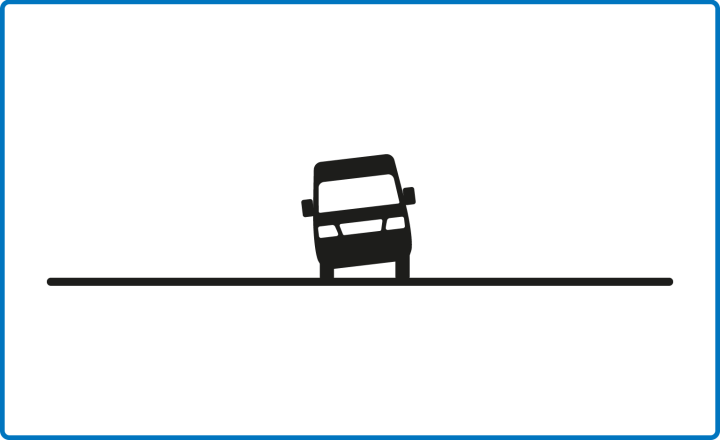
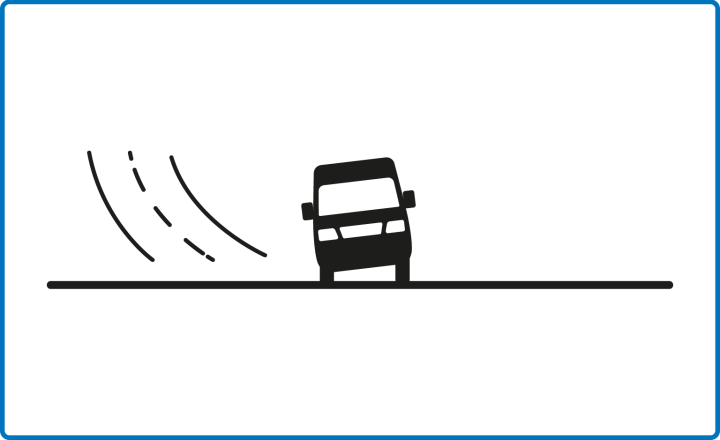
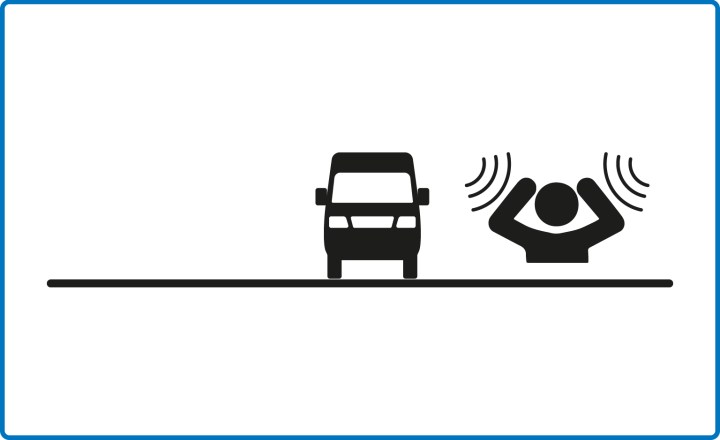
Characteristics of the problem (visible, tangible or audible):
1. Audible, when driving in certain situations.
2. Tangible, when driving in certain situations.
Possible consequences of the problem:
1. Your vehicle has little or no spring travel, at the expense of your comfort.
2. Your vehicle (including its occupants and contents) will be subjected to heavy wear and tear, at the expense of its durability.
3. Your vehicle reacts differently than expected, at the expense of your safety.
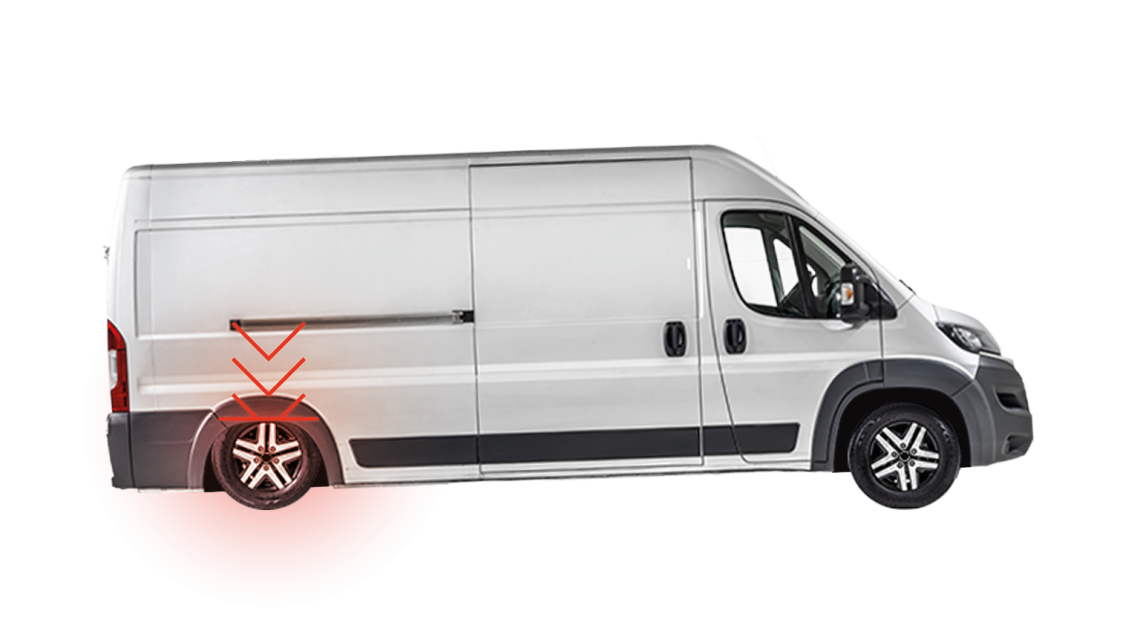
My vehicle is bottoming out at the rear.
If your vehicle is loaded too heavily at the rear, you may encounter the problem that your vehicle bottoms out during normal use, such as when driving over speed bumps. The rear of the vehicle hits the 'bump stop'.
Characteristics of the problem (visible, tangible or audible):
1. Audible, while driving.
2. Tangible, while driving.
Possible consequences of the problem:
1. Your vehicle has little or no spring travel, at the expense of your comfort.
2. Your vehicle and its contents will be subjected to heavy wear and tear, at the expense of its durability.
3. Your vehicle reacts differently than expected, at the expense of your safety.
Great news!
The above 'problems' can be solved for many vehicles with our (air) suspension systems.
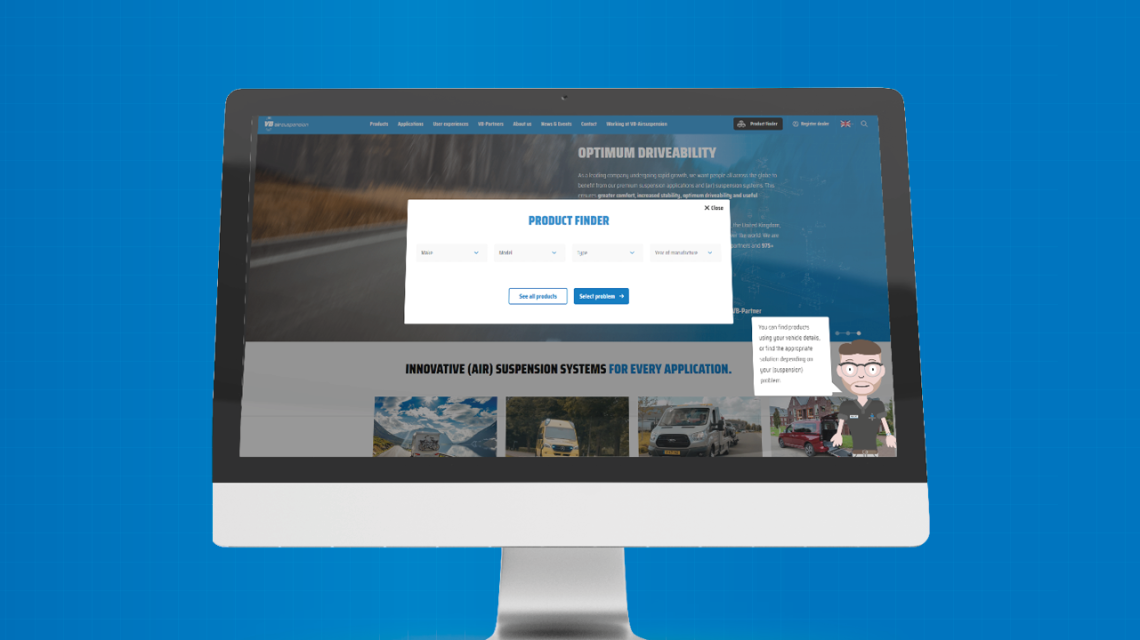
Depending on your vehicle and whether this is your only wish and/or problem, we can use our handy Product Finder to provide suitable advice on the right solution for your specific situation.
Our Product Finder performs a search for your vehicle and will show the best solution for your specific make and model. That way, you can be sure the relevant solution is actually available for your vehicle.
Related wishes and/or problems:
Many wishes and/or problems are similar. Nevertheless, there are a number of (minor) differences, for which there are various possible solutions. This means selecting the right wishes and/or problems is not always easy, but no less important. These knowledge articles will help you take a step in the right direction, thanks in part to the 'characteristics' you will find in the text.
Nevertheless, if you are still in any doubt as to whether the wishes and/or problems have been filled in correctly, we strongly recommend that you seek advice from a VB-Partner.
Useful information
Our VB-Partner network has been structured such that you will always be able to find a VB-Partners in your region. Our VB-Partners can assist you with advice, a quote, fitting and/or any repair maintenance work needed.
Our VB-Partners have undergone specialist training in all aspects of fitting our systems and will be able to advise you appropriately.