

Air suspension for ambulances
Ambulances are designed for safe, reliable patient transport in demanding conditions. Their specialist conversion, medical equipment, stretchers, onboard systems, crew space and storage create a consistently high base load compared with a standard vehicle.
That additional weight places continuous demand on the suspension. When the standard suspension is working close to its limit, the vehicle may no longer sit, drive or respond as intended. An air suspension upgrade can help support a fully equipped ambulance more effectively and contribute to a more stable, controlled and comfortable ride.
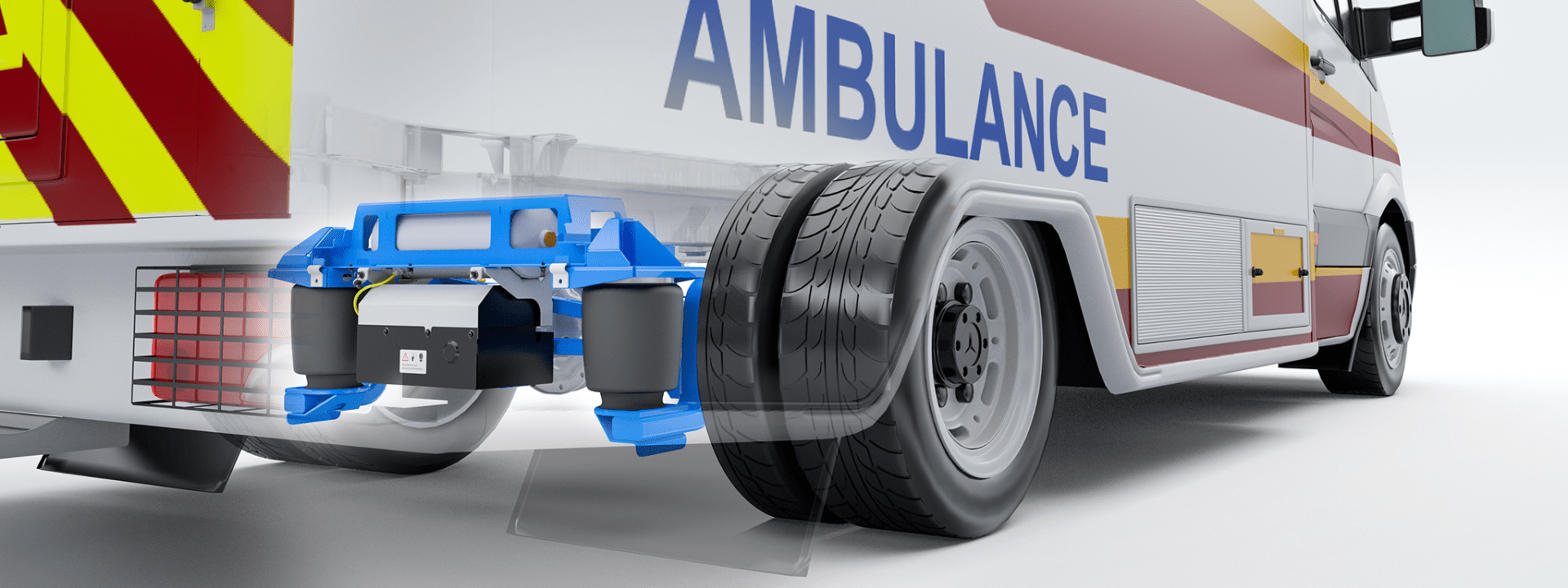
Why fully equipped ambulances need additional suspension support
Many ambulances operate close to their maximum authorised mass before a patient is even on board. Additional weight from patients, crew or equipment can further affect vehicle balance, especially around the rear axle.
In daily use, this can lead to rear-end sag, excessive body roll, unstable handling and harsh ride comfort. These issues are often more noticeable on rough roads, corrugations, potholes, speed humps and during sudden manoeuvres.
For ambulance services, this affects more than the driving experience. It can influence driver confidence, patient comfort, stretcher handling, crew efficiency and operational safety. In these conditions, an air suspension upgrade can help support the vehicle more effectively and contribute to more stable, controlled ambulance operation.
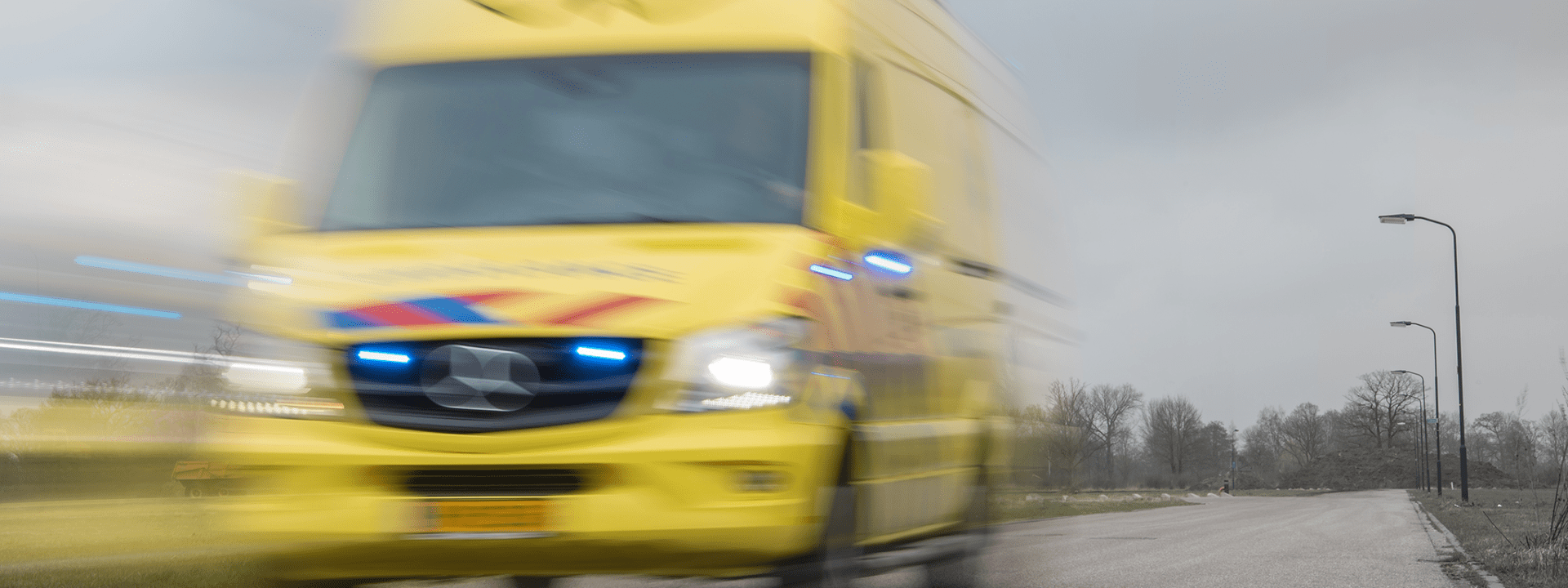
Stability and comfort on the road
Air suspension helps support the vehicle’s high base load by maintaining a more consistent ride height. This improves stability, handling and control, especially when the vehicle is fully equipped.
It also contributes to a smoother ride for patients and crew. A more stable vehicle helps create a calmer, more controlled environment during patient transport.
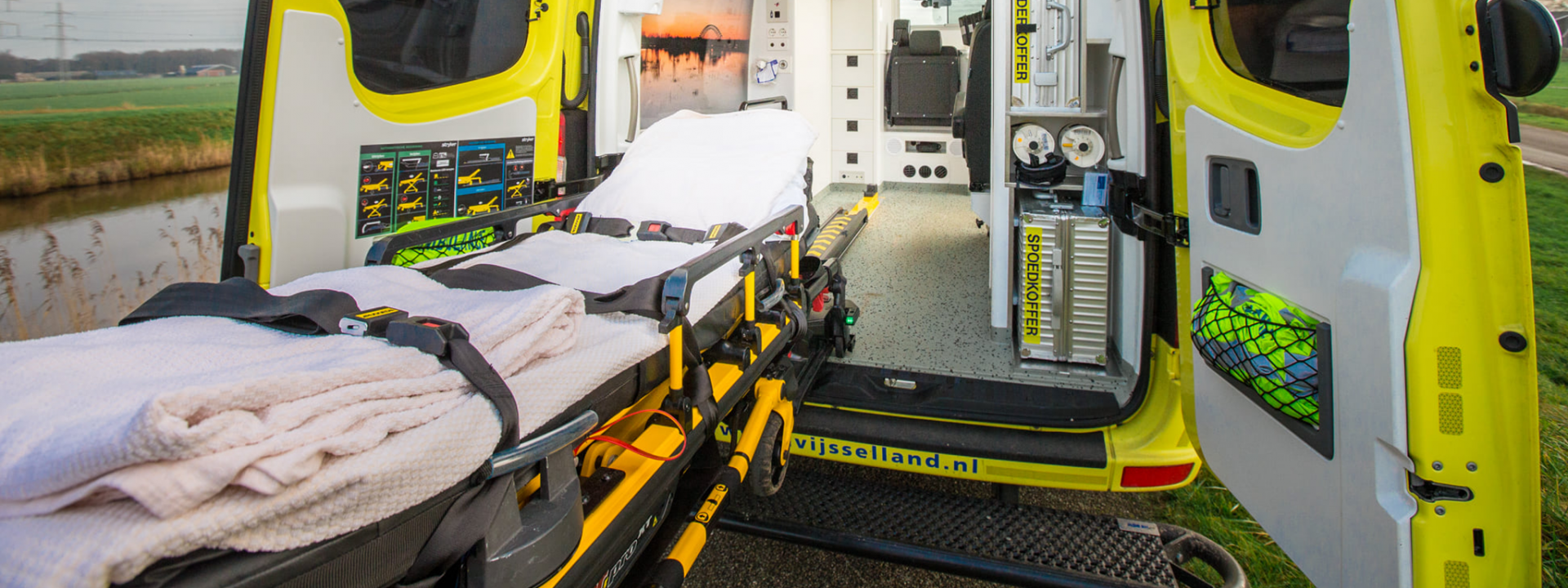
Lowering for easier patient access
Selected air suspension systems can lower or kneel the vehicle when stationary, reducing entry height.
This makes stretcher loading, patient access and equipment handling easier, while also improving ergonomics for medical staff during daily operation.
Other emergency and response vehicles
Our systems are also used in other emergency and response vehicles where added weight, stability and ride comfort are important in daily operation.
Non-emergency patient transport vehicles
Non-emergency patient transport vehicles also benefit from improved ride comfort, stability and access. Air suspension can support a smoother journey and make entry and exit easier for passengers, patients and care staff.
Police and security vehicles
Selected police and security vehicles, such as armoured prisoner transport vehicles, often carry additional protection, equipment and crew. This added weight can affect ride height, handling and comfort, making improved suspension support especially valuable.
Fire, rescue and support vehicles
Fire, rescue, roadside assistance and other specialist support vehicles may also carry heavy equipment or operate in demanding conditions. Air suspension can help improve load support, stability and control without compromising daily usability.
DISCOVER WHAT SOLUTIONS WE OFFER FOR EMERGENCY SERVICE VEHICLES:
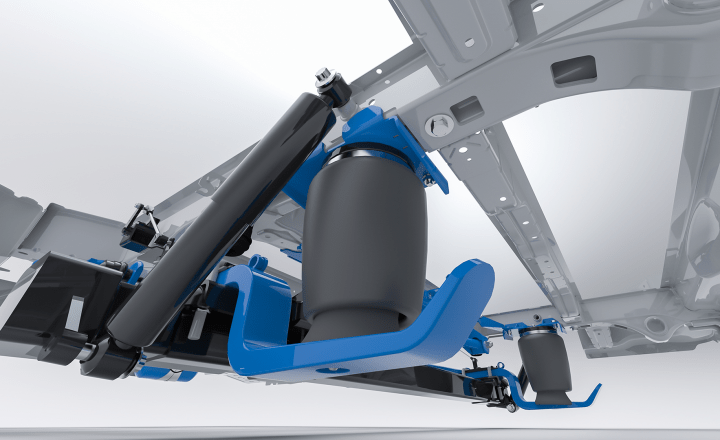
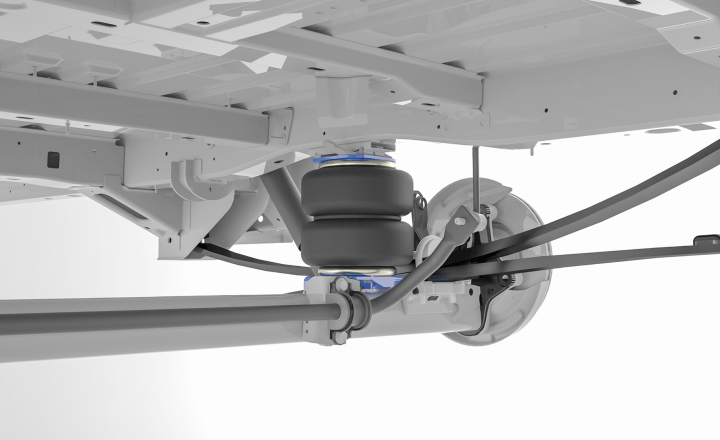
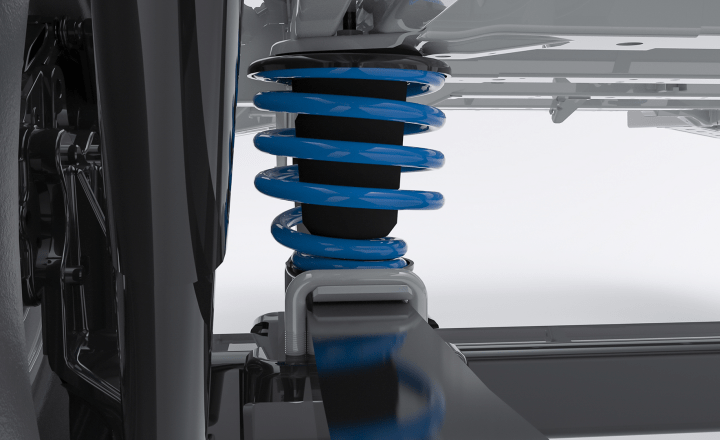
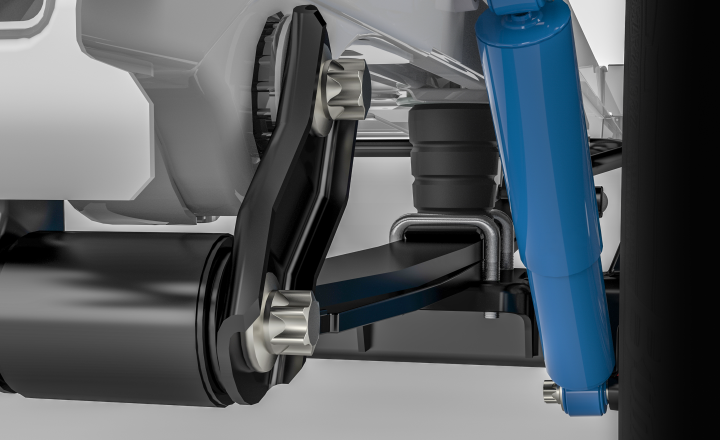
VB-AIRSUSPENSION SUPPORTS YOU:
in every emergency.
THE RIGHT SOLUTION FOR MANY 'BLUE LIGHT' VEHICLES
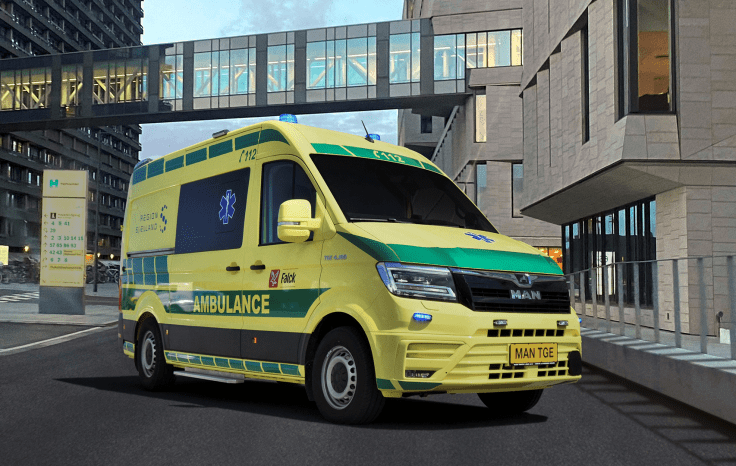
Ambulances
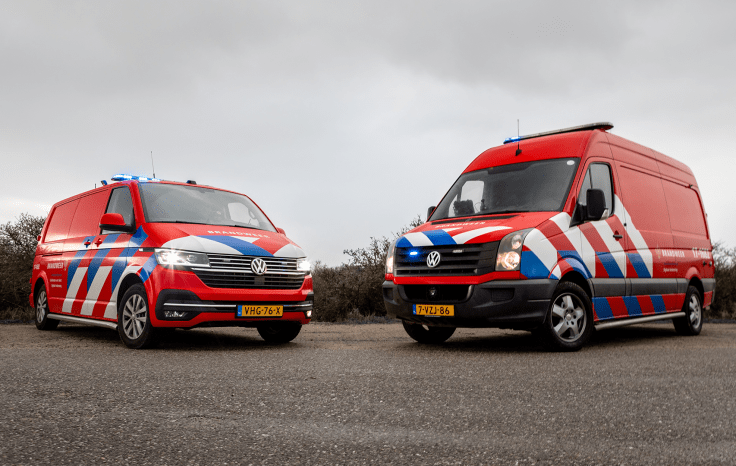
Fire service vehicles
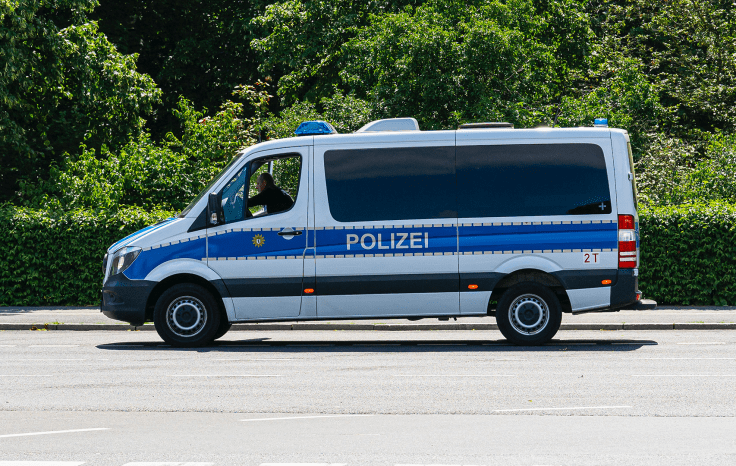
Police vehicles
The images above are indicative only and are examples of vehicles for which we offer solutions.
Can't find your vehicle listed here?

WANT TO READ MORE?
A specific brochure is available for this application. To read through everything again at your leisure, click on the button below to download our emergency service vehicle brochure.
Ready to improve your emergency vehicle fleet?
Planning, building or managing ambulances or specialist response vehicles? Leave your details and our team will help you find the right suspension solution for your vehicle requirements.